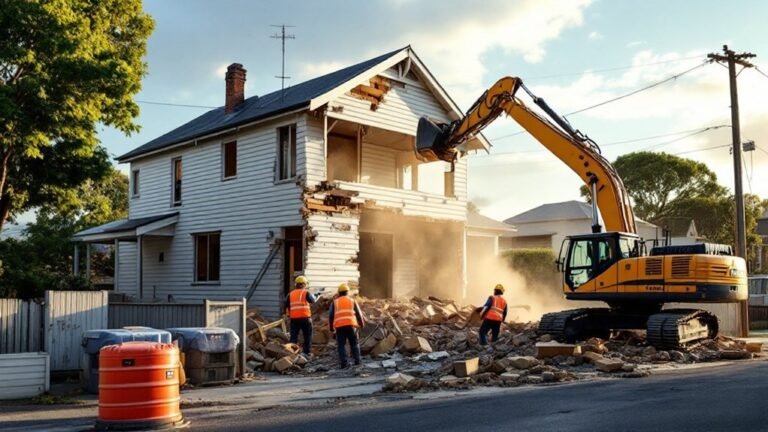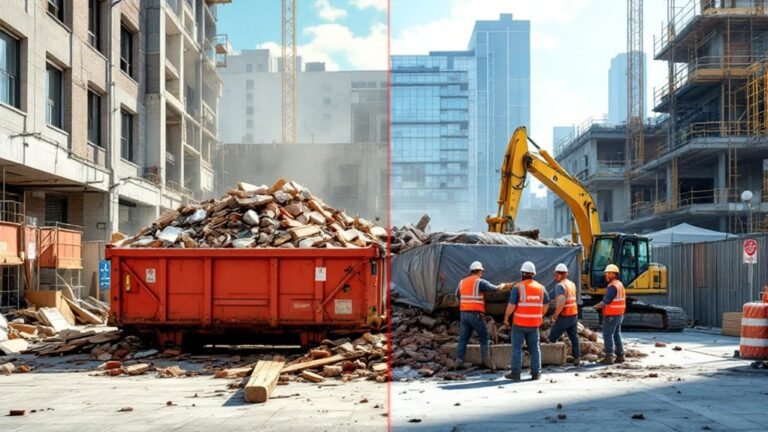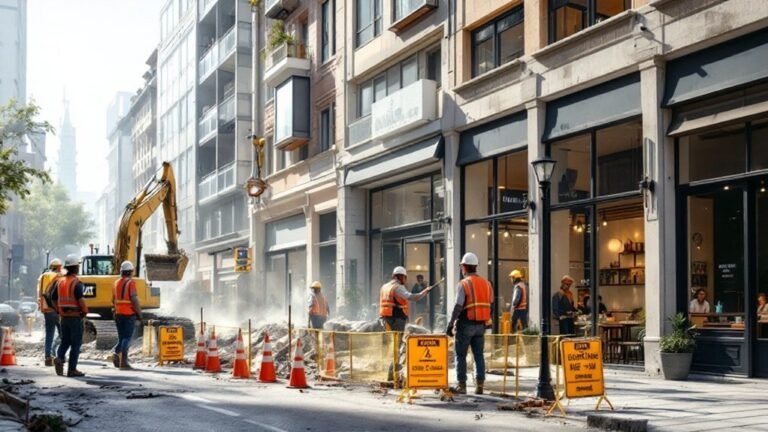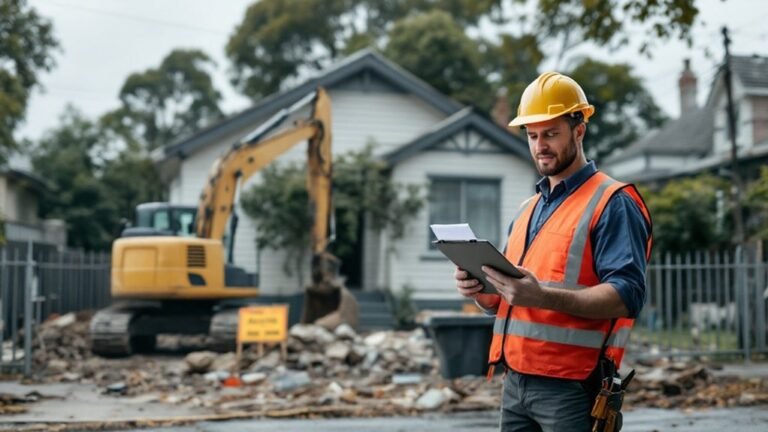

Full Demolition vs Partial Demolition: What Do You Need?
We choose full demolition when engineers flag unsafe structures, severe fire or termite damage, failed foundations, or renovations that cost too much. We recommend partial demolition when you want to keep character, save money, reduce waste, or open a kitchen, bathroom, or shop with less downtime. We’ll check permits, asbestos, heritage rules, and load-bearing walls first. You’ll also see costs, timelines, cleanup, and what to expect next as we walk you through step by step.
How to Choose Full vs Partial Demolition
We start with a clear question: what’re we keeping, and what must go?
If we’re aiming to preserve character, location, and space, partial demolition fits. It can remove damaged areas, open walls for better flow, and cut waste. Resale value may improve, and waste reduction supports sustainability goals.
Before we’re ready, we check structural integrity. Older homes may hide asbestos, used widely until the 1990s, or hidden damage that makes partial work slower and pricier. An assessor helps us avoid unsafe shortcuts.
We’re budgeting for surprises.
In Victoria, partial demolition needs a building permit if the structure is over 40 m² or masonry. If more than 50% of the building’s volume has been demolished within three years, council report and consent are required.
When Full Demolition Makes Sense
When the existing structure can’t be made safe or cost-effective to keep, full demolition is the sensible choice.
We recommend it when an engineer says the building is structurally unsound, or when severe fire damage, termite infestation, or failed foundations mean the structural integrity can’t be trusted.
Keeping any part in those cases creates risk for workers, neighbours, and future occupants.
We also choose full demolition when renovation would cost more than it should.
If the wiring, plumbing, and foundation all need replacing, a complex retrofit can run over 60% of a new build.
In high-value Sydney locations, removing an outdated home can protect your financial investment and clear the site for a safer, larger, better-configured property without paying repeatedly for hidden problems again.
When Partial Demolition Makes Sense
Partial demolition makes sense when we can keep the sound parts of a building and remove only what’s unsafe, outdated, or no longer useful. If we’re upgrading a cramped kitchen or bathroom, we can retain the foundation, frame, and services where they’re solid, often spending 20–40% less than a full rebuild.
It also suits heritage preservation, especially when only damaged interiors or non-structural walls need removal. For second-storey additions or granny flats, it can cut waste by up to 50% while protecting usable areas. In shops, partial demolition keeps downtime short, often allowing work in days.
We choose it when a targeted repair solves the issue without disturbing the whole site, keeping costs, disruption, and safety risks lower for owners and occupants throughout the project.
Sydney Demolition Permits, Asbestos, and Safety Checks
Before we remove any structure in Sydney, we check the permits, asbestos risks, and structural supports that keep the job legal, safe, and cost-controlled.
A building permit is required under the Building Act 1993 for partial or total demolition, including masonry buildings, structures over 40m², Heritage listing, or Heritage Register entries, with planning permits needed in regulated zones.
If Section 29A local council consent applies because demolition, plus work in the past three years, exceeds 50% of the original volume or removes a street-facing façade, we’ve sorted that out before starting.
We’ve arranged inspections; asbestos was common until the 1990s and needs a licensed removalist before demolition.
For load-bearing walls, we use temporary supports, steel beams, and engineer certifications tied to your structural plans.
Full vs Partial Demolition Costs and Timelines Compared
When we compare costs, a full house knockdown in Australia typically runs about $10,000–$30,000, while partial demolition of a room or wall often lands between $1,000 and $8,000, though engineering and temporary supports can add $1,500–$5,000.
On timing, we’ll usually see a complete demolition and site clearance take 1–3 weeks, compared with 1–5 days for a targeted kitchen, bathroom, or wall removal.
We’ll still budget for asbestos testing and removal at $2,000–$10,000 for either option, because keeping people safe and avoiding contamination can affect both the price and schedule.
Cost Comparison
Although full demolition often looks like the bigger job, we need to compare the total cost and timeline, not just the quote, because partial demolition can become expensive and slower when engineering, temporary supports, asbestos containment, and careful integration with the remaining structure are required.
In Sydney, full demolition costs $15,000-$30,000, while partial work ranges from a few thousand to over $20,000.
We’ve seen cost trends move: full demolition is up 15-25% since 2020 due to disposal fees and labour shortages.
Asbestos can add $2,000-$10,000, often costing proportionally more in partial work due to containment and disposal logistics.
We budget for hidden fees: engineering, permits, shoring, dust control, safe access, and proper cleanup.
For us, the cheaper option keeps work safe, compliant, and predictable.
Timeline Comparison
After comparing costs, we also look at the timeline because the faster job is often the safer and cheaper one overall. For Sydney homes, full demolition usually runs 1–3 weeks. Most time is spent on site clearance, asbestos management, and waste haulage, so we can plan truck movements, skip placement, and overflow logistics without dragging the site out.
Partial demolition is different. It can take 2–10 weeks, especially when retained sections need temporary supports, staged removal, engineering inspections, and careful asbestos containment. That extra work can add 1–3 weeks before demolition begins. We see the real cost risk here: every extra week means more labour, permits, fencing, and exposure to delays. If the whole structure must go, full demolition often saves time and money.
Demolition Waste Removal and Site Cleanup
When we compare full and partial demolition, waste segregation is the first thing we’d plan with you, because separating concrete, bricks, steel, timber, and reusable items on-site can cut landfill costs and support recycling.
For rubble removal, we’d make sure debris is cleared safely, access is controlled, and salvage items are flagged early so they’re removed carefully.
Waste Segregation
Because full demolition usually leaves us with one mixed waste stream, partial demolition gives us a better chance to separate concrete, bricks, steel, timber, and metals on site before they hit the landfill.
That separation lifts recycling rates and material recovery, but we need to plan it safely. Space can be tight, so we keep walkways clear, use labelled bins, and avoid overloading decks or floors.
- Sort clean concrete and bricks away from timber, plasterboard, and contaminated waste.
- Pull out steel and metals early; they’re often valuable and easy to recover.
- Tell us before work starts if doors, windows, or fixtures should be salvaged.
- Choose a licensed contractor who documents waste handling, protects workers, and keeps the site tidy.
It also supports future reuse.
Rubble Removal
Once the structure is down, we need to clear the rubble fast and safely so the site is ready for the next build. We’ll load concrete, bricks, timber, roof tiles and paving into suitable skips or trucks, keeping walkways, trenches and access points free for workers and plant.
Good waste sorting matters here: recyclable loads can go to rubble recycling, while contaminated or unsafe material is separated for correct disposal. That approach cuts landfill fees, may earn rebates, and supports the circular economy.
If you want reusable items saved, tell your contractor before demolition starts, so they can pull them aside without slowing the job.
A licensed contractor can manage transport, receipts, and final site sign-off, reducing your risk and giving you clearer records.
Site Cleanup
A clean site isn’t just tidy; it’s safer, cheaper, and easier to build on. After rubble removal, we clean the remaining area so your next renovation or rebuild starts without trip hazards, hidden nails, or wasted builder time.
We base the cleanup on a site assessment and debris profiling, then separate concrete, timber, bricks, steel, roof tiles, paving, and fixtures where access allows.
- We identify recyclables early to cut landfill loads and disposal costs.
- We protect salvage items, like doors and windows, when you tell us before demolition starts.
- We manage partial demolition tight spaces carefully, so cleanup doesn’t block access.
- We provide a clean site sign-off, confirming responsible waste handling and a build-ready block for your next trade safely.
Frequently Asked Questions
Can I Live in My Home During Partial Demolition?
Yes, we can live there during partial demolition, but only if safety risks are controlled, dust control measures seal and ventilate affected areas, utilities stay protected, and costs don’t exceed temporary relocation or hotel stays.
Will Partial Demolition Affect My Home Insurance?
Yes, we believe it can affect your insurance. We’ll notify our insurer before work starts, because exposed structures, debris, and temporary utilities may create insurance coverage gaps, safety risks, policy premium changes, or denied claims.
Can Partial Demolition Increase My Property Value?
Yes, we can help you see how it may increase value, especially through cost savings, timeline flexibility, and smarter upgrades. We’d protect structural safety, verify permits, and avoid risky cuts that create bigger repairs later.
Do I Need Engineers Before Partial Demolition?
Yes, we’d involve engineers before partial demolition when walls, beams, utilities, or load paths are affected. We’d review Permit requirements, verify Engineer qualifications, and plan safely to avoid fines, rework, or costly structural failures later.
What Happens if Hidden Structural Issues Are Found?
If hidden structural issues appear, we’ll pause work, make the area safe, and get an engineer’s assessment. We’ll review the cost analysis, explain your options, and warn you about likely timeline delays before work resumes.
Final Thoughts
When we’re choosing between full and partial demolition, we’ll start with the end goal: rebuild, renovate, or remove only what’s unsafe. We’ll check permits, asbestos reports, structural risks, and access before quoting work. If the building can’t be saved safely, full demolition usually protects the budget and timeline. If sound sections remain, partial demolition can cut waste and costs. Either way, we’ll plan cleanup, recycling, and safety controls before any machine starts on your site.