House Demolition Checklist for Melbourne Homeowners
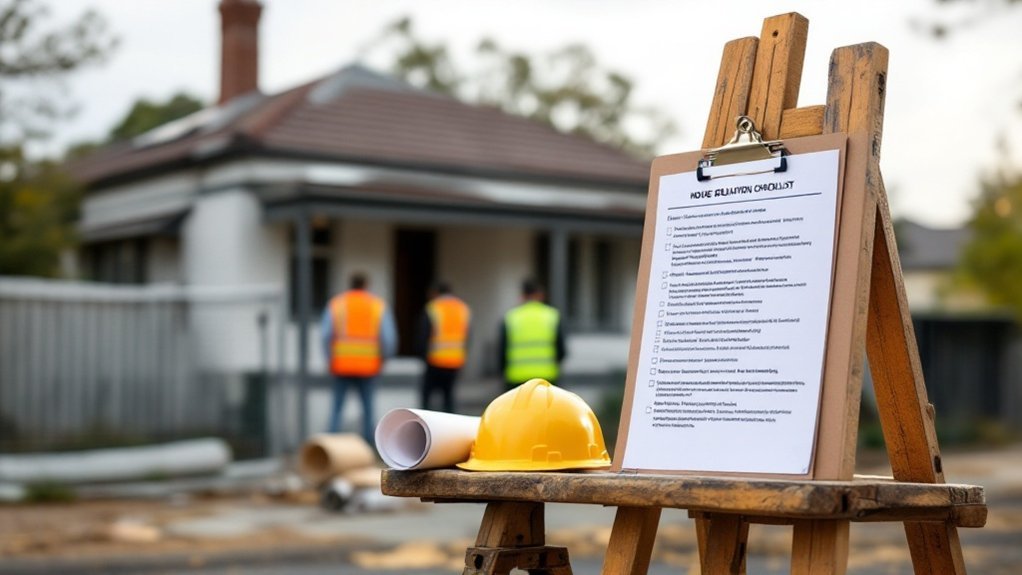
A house demolition in Melbourne starts well before any machine arrives on site. It is a regulated process that requires official permits, pre-demolition surveys, and methodical disconnections. Rushing this phase leads to project delays, council fines, and unexpected costs—especially in older Melbourne suburbs where heritage controls and asbestos are common.
What does a demolition checklist for a Melbourne home actually include?
A practical checklist covers the building permit, a planning check for heritage or vegetation overlays, mandatory asbestos identification, certified utility abolishment, council asset protection measures, and a waste management plan before demolition begins.
Start with the building permit and planning triggers.
You cannot lawfully demolish a home in Victoria without a building permit for demolition. Contact your local council or a private building surveyor early. If the property sits within a Heritage Overlay, planning approval may also be required before any permit issues. Confirm this directly with the council.
Asbestos checks are not optional.
Pre-2000 Melbourne homes commonly contain asbestos-containing materials in eaves, roofing, vinyl flooring, wet area linings, and fuse backing boards. A mandatory pre-demolition asbestos audit by a licensed assessor identifies what is friable asbestos and what is non-friable asbestos. You need the resulting clearance documentation before demolition work starts. This is a core safety step governed by WorkSafe Victoria and cannot be skipped.
Service disconnections must be certified.
Electricity, gas, water, and telecommunications need formal abolishment, not just switching services off at the meter. Each requires a certificate from the relevant provider, confirming the supply is terminated safely at the street or point of connection. A property with live utilities is unfit for demolition and poses a serious safety risk.
Council asset protection saves unexpected bills.
Melbourne councils typically require an Asset Protection Permit before demolition machinery crosses the kerb. The permit records the pre-work condition of council footpaths, kerbs, nature strips, and road surfaces. Without one, you may be held liable for damage you did not cause. Factor in time for the council’s inspection and bond payment.
Inspect the site for practical access and hidden structures.
Check side and rear access for machinery such as excavators and tip trucks. Establish whether the scope includes concrete and rubble disposal from slabs, paths, old garages, sheds, fences, and brick or timber retaining walls. Multi-layered structures and thick slabs increase machinery requirements and waste volume. Every extra structure adds cost.
Set clear expectations for waste and clean site handover.
Victorian regulations require tracking demolition waste from the project. A responsible process covers separating concrete, brick, and timber for recycling where viable and logging truck movements to a licensed disposal facility under EPA Victoria’s waste tracking obligations. The final stage is a clean, graded site free of hazardous material, buried debris, and unstable ground—ready for the next builder.
Cost drivers—why quotes differ.
Cost hinges on structure size, access width, site slope, confirmed asbestos risk, the number of outbuildings, slab thickness, and waste load count. A simple single-storey weatherboard on a flat block with clear access and a thin slab differs substantially from a double-storey brick home on a tight subdivided site with high asbestos content. Itemised quotes that separate service disconnection administration, asbestos removal, machine hours, bin and truck fees, and permit bonds are easier to compare than lump sums.
Get a site inspection before you commit.
An on-site assessment identifies access limitations, hard-to-spot asbestos, overhanging vegetation protections, and unexpected demolition scope such as buried fuel tanks or deep concrete footings—factors that cannot be seen from a desktop quote.
What Permits and Approvals Do You Need Before Demolition?
What Permits and Approvals Do You Need Before Demolition?
Quick answer: For most demolition work in Victoria, you need a demolition building permit issued by a registered building surveyor. If your property sits in a Heritage Overlay, you must also secure a council planning permit before any demolition begins. Additional statutory approvals—including an Asset Protection Permit and safety-related asbestos clearance—are standard requirements before a single structure comes down.
Start with the demolition building permit
A demolition building permit is the primary approval for house demolition, commercial demolition, and shed or garage removal. Registered building surveyors issue these permits under the *Building Act 1993*. The application typically requires:
- Site plans showing structures marked for demolition.
- Written consent from the relevant authorities for service disconnections (water, gas, electricity).
- A dilapidation report and photographic record of adjoining properties if protection works are triggered.
- Proof that all hazardous materials, including asbestos-containing materials, have been identified and will be handled lawfully.
Without this permit, no physical demolition work can legally start.
Council planning permits and Heritage Overlays
If any part of the property is covered by a Heritage Overlay, you’ll need a planning permit from your local council before lodging the demolition building permit application. This is common with older Melbourne homes, period-style façades, and buildings in designated precincts. Councils assess heritage significance, streetscape impact, and proposed replacement structures. The planning permit process can add weeks to the timeline, so factor it in early.
Asset Protection Permit and Protection Works Notice
Demolition generates vibration, dust, and heavy vehicle movement. Most Melbourne councils require an Asset Protection Permit to cover public infrastructure—kerbs, footpaths, nature strips, and road surfaces—during the project. If overhead protection, hoarding, or temporary supports are needed to shield neighbouring walls, a Protection Works Notice must be served on the affected owner, and the required measures completed before commencement.
Asbestos assessment: mandatory and non-negotiable
Before any demolition, demolition excavation, or partial strip-out, a licensed asbestos assessor must inspect the site. Pre-1990 structures frequently contain asbestos-containing materials in eaves, roofing, vinyl flooring, wet-area linings, electrical backing boards, and fence panels. A clearance report confirming non-friable asbestos has been safely removed—or that the site is asbestos-free—is a standard condition of a demolition building permit. WorkSafe Victoria oversees removal and disposal obligations for both non-friable and friable asbestos. We arrange this assessment and manage the clearance documentation so the permit conditions are met.
Service disconnections: four utilities to shut down
Evidence of permanent disconnection from electricity, gas, water, and the sewer network is required before the building surveyor will issue the permit. Electricity and gas disconnections are handled by the relevant distributor, while a licensed plumber caps the water and sewer lines. These steps protect the crew, the public, and underground infrastructure.
Timing and what happens if you skip permits
A straightforward residential demolition permit application generally takes 1 to 3 weeks once all documents are lodged. Planning permits, heritage referrals, and Protection Works negotiations add time. Skipping permits invites stop-work orders, fines from the Victorian Building Authority or local council, and potential orders to reinstate demolished structures at the property owner’s expense. Clean compliance costs far less than rectifying unapproved work.
Related approvals worth checking
Depending on site specifics, you may need EPA Victoria waste-tracking records for demolition waste removal, a council consent for vehicle crossings if a new crossover replaces the old one, and disposal dockets confirming concrete, brick, timber, and rubble are sent to a licensed disposal facility. Our site-clearing process includes waste-tracking and disposal receipts as part of a clean site handover, so you have the documentation if the council or a future buyer asks for it.
Confirm with the relevant authority
Every site is different. Permit requirements can shift based on council zones, overlays, abatement notices, and structural complexity. Before acting, confirm your specific obligations with the relevant council, a registered building surveyor, and a licensed asbestos assessor.
Asbestos, Utilities, and Site Clearing: What to Check Before Demolition Day
With permits and approvals underway, the next priority is a clear, safe site. Before a single machine arrives, three physical checks must be completed: hazardous materials identification, certified utility disconnections, and full site clearing.
What should I check before demolition day?
Before demolition, you need a pre-demolition asbestos inspection by a licensed assessor, certified disconnection of all services, and a cleared site with a waste management plan that meets EPA Victoria requirements.
1. Pre-demolition hazardous materials check
Many older Melbourne homes—especially weatherboard, brick veneer, or fibro dwellings built or renovated before 1990—contain asbestos-containing materials. Common locations include internal and external wall sheeting, eaves, roofing, vinyl flooring, wet-area lining, and electrical backing boards.
A site inspection by a WorkSafe Victoria-licensed asbestos assessor isn’t optional. The assessor identifies and samples suspect materials, distinguishes between non-friable (bonded) and friable asbestos, and issues a report that guides removal requirements. Removal scope and cost depend on material type, quantity, condition, and accessibility. Friable asbestos costs far more to remove than bonded sheeting. Final clearance must include a formal clearance certificate before demolition proceeds.
Do not break, cut, or disturb suspect materials yourself. Any material thought to contain asbestos should remain untouched until a licensed assessor confirms it’s safe—or arranges controlled removal.
2. Utility disconnections and service isolation
Certified disconnection of electricity, gas, water, and NBN is essential to prevent electrocution, gas leaks, flooding, or damage to shared infrastructure. We arrange and verify each disconnection with the relevant authority or registered practitioner. In Victoria, a licensed electrician and licensed gasfitter must complete the respective disconnections. After disconnection, we confirm the site is electrically dead, gas is isolated at the meter, and water is cut and capped at the boundary where practical.
Calling Dial Before You Dig is compulsory. It confirms the location of underground assets—including gas mains, power cables, water pipes, and telecommunications lines—before any ground penetration. Skipping this step can cause service strikes, injury, and regulatory penalties.
Disconnection costs vary with complexity. A straightforward residential cut-and-cap might sit at the lower end, while sites with multiple services, overhead supply, large switchboards, or commercial gas meters cost more. Timeframes also depend on retailer and distributor response times. We coordinate this as part of demolition planning to avoid last-week delays.
3. Site clearing and waste disposal logistics
A demolition-ready site means sheds, garages, fences, leftover furniture, concrete paths, and stored items are empty and cleared. We remove stand-alone structures, strip out rubbish, and assess what can be salvaged or recycled before heavy machinery enters the main building footprint.
Victoria’s EPA waste tracking rules apply to demolition waste, particularly asbestos and contaminated soil. A legal demolition generates multiple waste streams—timber, concrete, brick, metal, plasterboard, glass, and rubble. Each must go to a facility licensed to accept it. We plan the waste path early: identifying which loads can be tipped as clean fill, which need sorting, and which require controlled disposal. Concrete and brick are often crushed for recycled aggregate. Timber can be separated for mulching, while metal is baled. Asbestos waste is double-wrapped, labelled, and transported to a designated disposal facility under EPA requirements.
This step produces a cleaner work front, reduces handling costs, and simplifies the final clean site handover. Rubbish-affected access, overgrown vegetation, or abandoned tanks add time and cost. Clear early, and the demolition phase runs measurably faster.
How to Vet a Demolition Contractor and Avoid Underquoting
Getting a realistic quote and a clean site handover starts well before a single wall comes down. A properly vetted demolition contractor protects you from surprise costs, regulatory breaches, and WorkSafe Victoria penalties. The goal is a written scope that tells you exactly what’s included, what’s excluded, and how every waste stream will be tracked and handled.
Why underquoting happens and what it costs you
Underquoting usually stems from leaving out asbestos removal, permit fees, slab and footing removal, service disconnections, or lawful waste disposal. A low headline figure gets a signature, then variations arrive once the job is underway. If asbestos-containing materials turn up unplanned, non-friable removal can add thousands; friable asbestos multiplies that sharply. Incomplete quotes also expose property owners to EPA Victoria compliance action if rubble, concrete, brick, or timber ends up at an unlicensed disposal facility. The fix is straightforward: demand granular detail before you accept any number.
Check registration, insurance, and asbestos capability first
Start with the Victorian Building Authority (VBA) register. Confirm the contractor holds the appropriate demolition licence class for your project—low-rise, medium-rise, or unlimited—and check that registration is current. Next, verify public liability insurance and WorkCover coverage in writing. For any structure built before 1990, ask whether they engage a licensed asbestos assessor for a pre-demolition asbestos inspection. That inspection report should identify or rule out suspect materials across eaves, roofing, vinyl flooring, wall linings, shed cladding, garage ceilings, and fence panels. A clearance certificate after removal is non-negotiable.
Demand an itemised quote with these line items
A sound quote separates base demolition, any structure-specific disassembly, asbestos removal and disposal, general waste transport, concrete and rubble recycling, permit costs, and clean site handover grading. It should also state assumptions about machinery access—tight laneways, rear battle-axe blocks, or overhead tram wires change equipment choice and cost. Check whether disconnection of electricity, gas, water, and sewer is shown as your responsibility or the contractor’s, and whether the quote relies on temporary fencing or road occupancy permits. If the property sits in a Heritage Overlay, confirm your building surveyor has addressed that before demolition permits are issued. A quote that bundles everything into a single figure makes cost comparison impossible.
Permits, waste tracking, and final site condition
Your demolition permit will typically require a building surveyor’s consent and council asset protection measures. Ask the contractor to list the expected permit costs, including any council application fees for hoarding or footpath occupation. On waste, request written confirmation that loads go to an EPA-licensed facility and that waste tracking certificates will be supplied. Specify how the site should be left: level earth, stripped of concrete slabs and footings, and free of rubble, brick, timber, and contaminated soil. Agree on what happens if unexpected asbestos—friable or non-friable—is found behind walls or under old vinyl flooring. A contractor who documents these points in advance is one that avoids underquoting traps and delivers a predictable, compliant site handover.
What Hidden Demolition and Site Preparation Costs Should You Budget For?
Hidden Demolition and Site Preparation Costs That Catch Melbourne Projects Off Guard
Before a single wall comes down, several behind-the-scenes costs often surface through a building surveyor’s directive or an onsite discovery.
These aren’t optional extras — they’re compliance items that can shift your budget if you haven’t allowed for them early.
What costs tend to surface after a demolition quote is accepted?
Most demolition quotes cover the visible removal work, but regulatory triggers — like a soil report condition on your permit or an unidentified asbestos-containing material uncovered during a site inspection — generate additional costs tied to survey fees, council requirements, and EPA Victoria waste obligations.
Budgeting for these from day one prevents delays and last-minute spending pressure.
Key budget areas that catch projects off guard:
1. Soil testing, geotechnical reports, and contamination assessments
Council and the Victorian Building Authority often require a soil report before granting demolition permits.
Depending on site history — particularly on older Melbourne blocks where underground fuel tanks, lead paint residue, or industrial fill may exist — the scope can expand.
Expect costs driven by bore drilling depth, contamination lab analysis, and whether a professional engineer needs to classify the bearing capacity for the replacement build.
2. Service disconnections and temporary fencing
Abolishing power, gas, water, and telecommunications isn’t a courtesy call.
Electricians and licensed service technicians must physically disconnect mains, and asset owners charge processing fees.
Add temporary security fencing and site hoarding to meet WorkSafe Victoria safety obligations, and you have a line item that grows with corner-block exposure or long street frontages.
Costs shift depending on whether overhead or underground services need isolation and how many providers are involved.
3. Stormwater diversion, backfill, and slab voids
Once a house or commercial structure is removed, rainwater still needs a managed path.
Leaving the exposed basement void or stripped slab footprint to pool water creates compliance problems under EPA Victoria site management rules.
Backfilling, compacting, and setting a basic drainage fall stops erosion onto neighbouring properties and readies the site for surveyor handover.
4. Asbestos discovery during stripping
A pre-demolition asbestos assessment identifies most asbestos-containing materials, but on 1950s–1980s Melbourne builds, friable asbestos can hide in locations only exposed after roof sheeting or eaves come off — for example, inside old heater flue packing or behind plasterboard in internal wet areas.
When an assessor recategorises a material mid-project, removal costs and waste-tracking obligations escalate.
Budget airspace for an upgraded clearance certificate scenario.
5. Concrete and rubble disposal beyond the original scope
Old Melbourne garages, side fences set in concrete footings, brick garden walls, and hidden under-slab fuel tanks add mass and tip fees.
Disposal facilities track inbound waste via weighbridge dockets, and cost climbs with volume, contamination level, and whether the material stream is clean-fill concrete or mixed demolition rubble.
A per-tonne rate that seems manageable balloons quickly when slabs are thicker or deeper than assumed.
How to protect your budget without padding the quote
Request a line-by-line list of exclusions from your demolition contractor before signing.
That list typically tells you more than the inclusions.
Then allow for the above items as standalone pre-construction line items rather than treating them as surprise extras.
Most survey and compliance costs become known the moment the building surveyor issues the permit conditions — forward-planning those conditions with your contractor keeps handover on schedule and the site legally protected during clearance, waste removal, and final inspection.
What Happens After Demolition? Site Conditions, Backfilling, and Next Steps
The dust settles, and you’re left with a disturbed patch of ground where a structure once stood. Getting that ground ready for the next stage isn’t an afterthought — it’s a series of practical steps that can affect slab performance, drainage, and compliance.
What happens immediately after demolition?
After a house demolition or commercial strip-out, the exposed site typically needs foundation hole backfilling, compaction, soil assessment, contamination screening, and stormwater controls before it qualifies as a build-ready platform. A clearance certificate is issued once the site meets the required condition. Skipping these steps can lead to slab movement, unexpected excavation costs, or council delays later.
We methodically backfill and compact voids left by removed footings, basements, or old tanks. The scale of this work depends on foundation depth, soil type across Melbourne’s varied geology, and whether reinforced concrete slabs were lifted out. Sites with deep piers, multiple outbuildings, or brick-and-bluestone foundations common in older suburbs often require more imported fill and engineered compaction lifts.
Next, we arrange geotechnical testing. A consultant drills boreholes and provides a soil classification report used by your structural engineer to design the new slab or footings. Without it, assumptions about bearing capacity or reactivity can prove expensive once earthworks begin. If the property sits on fill of unknown origin or near former industrial use, contamination testing follows — targeting heavy metals, petroleum hydrocarbons, or asbestos fibres in soil. This step becomes especially important when demolishing pre-1990 Melbourne homes that contained asbestos-cement wall sheeting, eaves, or vinyl flooring backing.
Stormwater management comes into focus early. Councils across Victoria often require temporary or permanent diversion measures to stop sediment-laden water leaving the boundary. Depending on slope, soil erodibility, and proximity to waterways, this may involve silt fencing, sediment basins, rock checks, or connecting to legal points of discharge. We coordinate these works so your site notice and clearance process stays on track.
With backfilling compacted and testing complete, we remove residual debris, roughly level the pad, and prepare the site for formal sign-off. That handover includes waste tracking records showing where concrete, brick, timber, and regulated materials were disposed. Rubble loads go to licensed facilities; asbestos-containing materials follow EPA Victoria transport and disposal requirements under a waste tracking system. The clearance certificate confirms the block is clean, level, and ready — which is when your builder can legally start.
Practical factors that shape post-demolition site work:
- Structure size and foundation type: A weatherboard cottage on stumps leaves different ground conditions than a tilt-slab warehouse with deep footings or a brick-veneer unit built over a concrete raft slab.
- Access and machinery: Tight side setbacks, overhead wires, or steep driveways in Melbourne’s inner suburbs affect compaction equipment choice and fill delivery.
- Asbestos discovery: If non-friable asbestos in eaves, roofing, or wet-area linings was removed during demolition, the site assessment may still need surface soil screening where fragments could have fallen. Friable asbestos situations require higher-level controls and independent clearance before earthworks resume.
- Service disconnections: Abolished sewer, gas, water, and electrical conduits must be properly terminated or removed underground, not just cut at the boundary, to avoid surprises during later excavation.
- Permits and approvals: Demolition permits typically include conditions about site drainage, protection of adjoining properties, and final surface levels. Your building surveyor or private certifier confirms these are met before signing off.
- Waste sorting and disposal cost: Concrete and brick are cheaper to tip than mixed demolition waste. Separating materials on site reduces disposal charges and lifts recovery rates, aligning with EPA Victoria’s waste levy settings and landfill diversion expectations. Timber, fencing, shed materials, and garages add volume that should be factored into clearing quotes early.
Frequently Asked Questions
Can I Live On-Site in a Caravan During Demolition?
Can you live on-site in a caravan during demolition?
In nearly all cases, living on-site in a caravan during demolition is not practical, is strongly discouraged, and will very likely breach your insurance and council requirements.
A caravan placed on a block undergoing demolition is classed as temporary accommodation. Most Melbourne councils will require a separate caravan or habitation permit, and many will not approve one while active demolition, asbestos removal, or heavy machinery work is in progress. Even if a permit is technically possible, your liability coverage almost certainly excludes occupation during demolition, which shifts significant personal risk onto the property owner.
WorkSafe Victoria compliance and site safety obligations also make on-site living extremely difficult to maintain. A demolition site is a controlled work zone, not a residence. Once services are disconnected and heavy plant starts moving, the site becomes unsafe for anyone not directly involved in the work, wearing full PPE, and inducted into the site’s safety management plan.
What makes living on-site during demolition so high-risk
- Safety exclusion zones around machinery, stockpiled rubble, and structures being pulled down leave almost no safe area for a caravan.
- Airborne dust, silica, and potential asbestos fibre release from disturbed materials are an immediate health hazard if you are sleeping, eating, or spending hours in a confined space like a caravan nearby.
- Once water, sewer, gas, and electricity are capped or abolished as part of service disconnections, a caravan cannot legally or practically function as a liveable dwelling on the block.
- Insurance that covers demolition typically excludes any accommodation or habitation. A single incident could leave you personally liable for injury, property damage, or cleanup costs.
When it applies: older Melbourne homes, garages, sheds, and asbestos risk
The reality is even sharper if the demolition involves an older Melbourne home, weatherboard dwelling, brick-veneer house, or backyard structures such as garages, sheds, fences, or carports. Pre-1990 buildings commonly contain asbestos-containing materials in eaves, internal and external wall linings, roofing, wet-area vinyl flooring, and cement sheet cladding. With both friable and non-friable asbestos potentially present, the idea of sleeping a few metres from active removal and material loading-out is untenable from a health, safety, and regulatory standpoint.
The practical path: site clearing, relocating, and clean handover
Instead of attempting to live on-site in a caravan, the clean process for a Melbourne demolition works like this:
- Arrange a pre-demolition site inspection with a demolition contractor who can spell out exactly what will happen regarding access, exclusion zones, material stockpiling, and dust controls.
- Complete asbestos testing before demolition by a NATA-accredited laboratory or via a licensed asbestos assessor before any structure is disturbed. Assume suspect materials in eaves, internal linings, roofing, vinyl tiles, and behind old fences and sheds.
- Organise off-site accommodation before service disconnections and physical demolition begin. Even partial demolition changes the site status immediately.
- Let the contractor manage the full works sequence: demolition, separation of concrete, brick, and timber, waste tracking through EPA Victoria-compliant disposal facilities, and load-by-load rubble and concrete disposal.
- Receive the site cleared, graded, and compacted, ready for the next stage—without the legacy risk that comes from trying to live inside a demolition zone.
Who needs to hear this: homeowners, builders, and site managers
This applies equally to a homeowner knocking down a single house in Melbourne’s eastern or northern suburbs, a builder preparing a multi-unit site, a property manager clearing a deceased estate with old outbuildings, or a commercial site manager planning a large industrial strip-out. Check early with your local council about any temporary accommodation rules, and get specific written advice from your demolition contractor and insurance broker about habitation restrictions. Even if a caravan is physically on the block and set back from structures, the compliance and safety hurdles almost always make the idea unworkable.
Council, permit, and authority checks to confirm
- Ask your council directly whether a caravan permit would be valid during demolition works, not just during the construction phase that follows.
- Contact your insurer and confirm in writing that your liability and property cover does not exclude occupancy during demolition.
- Ensure the demolition contractor’s site safety plan, notified to WorkSafe Victoria where required, clearly rules out unauthorised persons living on-site.
- If asbestos-containing materials are identified, engage a licensed removalist for friable asbestos and for any non-friable asbestos that exceeds the regulatory threshold, and have the clearance certificate issued before anyone even considers entering the site for non-work purposes.
In short: do not plan to live on-site in a caravan during demolition. Reorganise your accommodation timeline around a full site clearance, professional asbestos-aware demolition, and a clean site handover. The small short-term saving is never worth the very real insurance, safety, and regulatory exposure.
Who Notifies My Neighbours Before Demolition Starts?
We handle the formal neighbour notification process as part of every demolition project in Melbourne and across Victoria. Legally, we must serve written notices on adjoining properties at least 10 days before works begin—this is our responsibility, not yours.
What the neighbour notice covers
The formal notice outlines the scope of demolition, expected start date, working hours, and how we’ll manage dust, noise, access, and site safety. We also detail protective measures for shared walls, fences, and any encroachments. This gives property owners, builders, and commercial site managers certainty that due process is being followed.
Council and authority coordination
For larger demolitions triggering a Report and Consent application under the *Building Act 1993*, we coordinate directly with the *Victorian Building Authority* and the relevant Melbourne council. Some councils prefer early awareness notices on top of the statutory minimum, particularly for terrace homes, heritage-listed properties, and tight inner-city blocks where a party wall or shared roof structure is present. We factor those local rules in so timing stays on track.
When additional engagement applies
A standard letter meets most residential and commercial requirements, but some sites warrant extra steps:
- Asbestos-aware demolition: If pre-demolition testing found *asbestos-containing materials* (non-friable asbestos in eaves, vinyl flooring, sheds, or garages, or friable asbestos confirmed by a licensed assessor), the notice confirms that handling and disposal follow *WorkSafe Victoria* and *EPA Victoria* requirements. This gives neighbours confidence the risk is managed, not ignored.
- Service disconnections: Where gas, water, electricity, or NBN cut-offs affect shared infrastructure, the notice explains timing so adjacent properties aren’t caught off-guard.
- Structural ties: Older Melbourne homes often share roof framing, gutters, or brick walls across title boundaries. The notice explains how temporary support, weatherproofing, or boundary rectification is being handled before the main demolition run starts.
- Access constraints: If machinery, bins, or spoil trucks need temporary lane closures or footpath permits, we flag the expected impact and duration.
Waste and site handover expectations
Neighbours care about what’s left behind. The notice confirms that *concrete and rubble disposal*, timber separation, and brick recycling happen as part of the demolish-and-clear scope. Clean site handover—no pile of mixed debris left on the boundary fence line—is the standard we work to, with waste tracking to a licensed disposal facility or recycler.
Confirming requirements with the right authority
The minimum 10-day notice rule sits under Part 7 of the *Building Regulations 2018*. Some councils impose longer notice periods for commercial demolition, staged strip-outs, or buildings containing hazardous materials. We recommend owners discuss council-specific expectations with their building surveyor—we can flag what we’ve seen in your municipality, but the formal interpretation rests with the surveyor and council.
Does Home Insurance Cover Demolition Damage or Theft?
Does home insurance cover demolition damage or theft during a house or commercial demolition project in Melbourne?
In most cases, a standard home and contents insurance policy will not cover damage or theft that occurs during demolition. Once a site becomes a demolition worksite, it is often excluded from homeowner policies. That exclusion applies whether you’re removing an older Melbourne home, a garage, or commercial structures. You should confirm your position with your insurer before works start, as assumptions can leave you carrying the full cost of theft, structural mishaps, or unexpected damage to retained assets.
Before demolition begins, check that your demolition contractor carries current public liability insurance and contract works insurance appropriate to the project. Ask for a copy of their insurance certificate and confirm it covers the full scope of on-site works, including waste loading, concrete and rubble removal, and any retained fencing. A legitimate operator servicing Melbourne and Victoria will be familiar with these requirements and should provide documentation without hesitation.
Also verify that the contractor holds any relevant demolition permits from the local council or the Victorian Building Authority and has arranged service disconnections for gas, electricity, water, and telecommunications. If the site contains asbestos-containing materials—common in eaves, vinyl flooring, older wet-area linings, and corrugated roofing on Melbourne homes built before the 1990s—make sure required asbestos testing has been completed and that the scope accounts for non-friable or friable asbestos removal in line with WorkSafe Victoria and EPA Victoria obligations.
Losses during demolition commonly stem from theft of materials, damage to adjacent structures, or uncontrolled collapse of walls, chimneys, or slab edges. Site security, temporary fencing, and clear waste-tracking procedures help reduce risk. Confirm who is responsible for concrete and rubble disposal, and whether waste is taken to a licensed facility with the correct EPA waste transport certificates. Practical steps like recording the condition of retained surfaces, verifying property boundaries, and checking neighbouring site access before machinery moves in can make a large difference to your financial exposure.
Typical risk factors that influence both insurance gaps and project costs include:
- Structure size, height, and access restrictions for excavators and tip trucks
- Presence of suspect materials requiring an asbestos assessment before disturbance
- Permit lead times and council-specific demolition conditions
- Volume of concrete, brick, and timber to be cleared
- Handover requirements for a clean, level site free of buried rubble or debris
If your project involves knocking down sheds, fences, or garages alongside the main structure, be aware that the same insurance exclusions generally apply to those elements. A practical starting point is to contact your insurer, ask directly about demolition exclusions, and request written confirmation of what remains covered during the demolition and site clearing phase. Then coordinate with your demolition contractor so their licences, insurances, safety procedures, and waste responsibilities are clearly documented before physical work commences.
Can I Salvage and Sell Materials Before Demolition?
Yes, you can salvage and sell materials before demolition in Melbourne—but it needs to be built into your timeline, site access plan, and cost breakdown early. Salvage works best on deconstructed elements you can separate before heavy machinery arrives, like hardwood floorboards, doors, window frames, roof tiles, brick, and structural timber. What you can feasibly recover depends on the age of the building, fastening methods, and whether asbestos-containing materials are present.
You will need your demolition contractor and a licensed asbestos assessor to confirm which materials are safe to handle. In many older Melbourne homes, asbestos hides in eaves, wet-area vinyl flooring, cement sheet cladding, and behind original brickwork. Disturbing these without prior testing can contaminate salvage, stop work, and trigger EPA Victoria clean-up requirements.
Practical salvage checklist for Melbourne sites
- Book asbestos testing well before demolition. Non-friable and friable asbestos must be identified before anyone starts pulling materials apart.
- Disconnect services. Power, gas, and water must be off before manual stripping begins; your contractor can manage this with the relevant authorities.
- Apply for your demolition permit through a private building surveyor or the local council. The permit will specify what can be legally removed before structural demolition.
- Strip manually first: internal doors, period architraves, copper pipework, bathware, kitchen cabinetry, air-conditioning units, shed panels, timber fences, and garage doors.
- Separate clean brick and concrete for crushing or resale—this also cuts your concrete and rubble disposal volume later.
- Arrange waste tracking for any material headed to a licensed disposal facility. EPA Victoria requires proof of lawful disposal, especially for mixed loads.
Cost drivers that affect whether salvage pays off
Salvage can offset costs, but it rarely turns a profit unless the structure has genuine architectural or scarcity value—think Baltic pine floors, heritage brick, or early Victorian cast-iron details. The main cost drivers include structure size, roof height, poor rear access (which extends labour hours and skip movements), the volume of contaminated waste you cannot sell, and the extra time your site needs before full clearing and clean site handover.
One important tax note
Speak with your accountant before you factor salvage income into your budget. Selling recovered materials can have tax implications, and what looks like a straightforward offset may change your project’s financial picture if proceeds sit in a trust or joint ownership arrangement.
For commercial and multi-structure jobs
Commercial demolition across factories, office fit-outs, and older retail shells in Melbourne often yields reusable steel beams, copper busbar, switchboards, coolroom panels, structural hardwood, and concrete mullions. On these sites, separating and selling materials early usually requires a works plan that meets WorkSafe Victoria and EPA Victoria requirements, so integrate salvage with your site clearing and environmental management strategy before demolition starts.
What you need to confirm with the relevant authority
Council rules differ across Victoria. Always check your demolition permit conditions, waste management plan requirements, and any heritage overlay controls with your private building surveyor, municipal building department, or a qualified waste consultant. The Victorian Building Authority and your local council can clarify what the permit demands for structural demolition sequence and material removal.
How Long Does a Standard House Demolition Usually Take?
A standard house demolition in Melbourne usually takes two to three weeks for the physical knock-down and site clearance, but the full timeline often stretches to six to eight weeks once you factor in permit approvals, service disconnections, and asbestos compliance. Planning ahead for these steps avoids costly delays.
The practical work on site breaks down into distinct stages.
Permit and authority approvals (allow 2–4 weeks before site start)
A demolition permit from a building surveyor or the Victorian Building Authority is mandatory. Councils often require a Section 29A report under the Building Act for older Melbourne homes—that step alone can add a week or more. We also lodge service disconnection requests with electricity, gas, and water authorities early; their attendance dates are outside our control and can lag by up to 10 business days.
Asbestos assessment and removal (time varies)
If the house was built or renovated before 1990, it almost certainly contains asbestos-containing materials—eaves, wet area linings, vinyl flooring, and cement sheeting are common. A Worksafe-accredited assessor must test suspect materials before any demolition work disturbs them. Removing non-friable asbestos from a standard weatherboard or brick house typically adds 1–3 days once clearance certificates are issued. Friable asbestos, though less common in domestic walls, extends the timeline substantially and requires a separate licenced removalist.
Demolition and loading (3–7 working days)
Once the site is free of hazardous materials and services are disconnected, mechanical demolition moves quickly. A 20-tonne excavator can bring down a single-storey brick or timber home in a day or two. A double-storey house, rear garage, concrete verandah, or deep slab extends the work. Tight access—narrow driveways, overhead powerlines, neighbouring structures—may require a smaller machine or hand separation, adding a day or two.
Site clearing and waste disposal (2–5 working days)
After the structure is down, sorting and loading the rubble stream takes time. Brick, concrete, and roof tiles go into our bins for recycling at an EPA-licensed disposal facility. Timber, plaster, and general waste are separated; each load needs a waste tracking certificate to show it left the site legally. A standard house fills 8–12 truckloads. If the site has a substantial concrete slab or extensive paving, breaking and removing it can add 2–3 extra days.
What stretches the timeline beyond our control
- Council consent and neighbouring protections: A report and consent application under the Building Regulations (e.g., for protection work on a shared wall) can sit with council for four weeks or more.
- Melbourne weather: Prolonged wet periods stop machinery safely, delay tip runs, and turn soil access into mud. A week of heavy rain in winter can push the finish date back by the same amount.
- Asbestos surprises: When homeowners skip pre-purchase asbestos inspections, we often uncover unseen asbestos in the eaves, behind old fibro cladding, or under carpet underlay. Work stops until a hygienist clears the area.
- Slab and footing depth: A suspended timber floor is faster to clear than a monolithic concrete slab. Some pre-1950s homes in Melbourne’s inner suburbs sit on deep bluestone footings that require a rock breaker, adding a full day.
Practical planning points
- Book your site inspection and asbestos testing before locking in a demolition start date.
- Disconnect power, water, and gas formally—organising a private electrician to remove the meter is not enough.
- Confirm with your local council whether a report and consent or an asset protection permit for the crossover is needed.
- Allow at least one week between the last service disconnection and the first day of demolition, so all authority paperwork is finalised.
At Demolition Melbourne, we quote timelines project by project after a site walk-through. A clean, level site handover with no leftover rubble, no protruding footings, and with all waste tracked to a lawful facility is the standard we close out against, not just the knock-down date. For specific council or regulatory requirements, always verify the current steps with the issuing authority or a qualified building surveyor.
Final Thoughts
Why pre-demolition planning matters for a clean, compliant project
A clean demolition starts long before machinery arrives on site. In Melbourne, the difference between a smooth project and an expensive delay nearly always comes down to permits, early asbestos assessment, and proper service disconnections. Skipping these steps can leave you with fines, unsafe surprises, and a site that can’t be handed over for the next stage. If you want building work to begin sooner, lock in the paperwork and the pre-checks first.
What you should confirm before any structure comes down
Every owner, whether you hold a period home in Brunswick, a commercial shed in Dandenong, or a block of older units slated for redevelopment, needs to work through the same core list:
- Demolition permits and council consent. Most Melbourne councils require a permit for full demolition, and partial work can still trigger report-and-consent processes. Confirm requirements with your local council or a qualified building surveyor before lodging anything.
- Asbestos assessment. Older Melbourne homes, garages, eaves, sheds, and vinyl-backed flooring commonly contain asbestos-containing materials. A site inspection and testing by a licensed assessor is the only way to know whether you’re dealing with non-friable (bonded) or friable (crumbly) material. You cannot assume a building is clear just because it looks modern.
- Service disconnections and asset protection. Electricity, gas, water, and telecoms must be formally disconnected before work starts. You might also need an asset protection permit to cover council infrastructure such as footpaths, kerbs, and street trees that sit near the site boundary.
- Site access and clearance planning. Tight side access, overhead wires, or a backyard garage with no machine entry change the method and the cost. Pre-identifying these constraints stops the quote from blowing out mid-project.
- Waste tracking and disposal pathway. Demolition waste streams can include concrete, brick, timber, roofing iron, plasterboard, and contaminated soil. Each needs a legitimate disposal facility, and in Victoria, EPA Victoria waste tracking rules may apply to certain loads. Rubbish that leaves without a paper trail can become a legal headache later.
Ticking these off before you accept a quote gives you a firm scope and a realistic timeline, not a hopeful guess.
How demolition quotes move in Melbourne: cost drivers, not short-cut numbers
We don’t publish flat-rate price lists because no two Melbourne demolitions are identical. Instead, understand the factors that push a figure up or down:
- Structure size, type, and access. A single-storey weatherboard on a wide block is faster than a double-brick commercial structure with basement stairs and zero street frontage. Tight lanes, rear battle-axe positions, or retained façades all add time and machinery cost.
- Asbestos risk and scope. If a pre-demolition audit confirms only small amounts of bonded non-friable sheeting in a shed, the removal scope is contained. Finding friable asbestos in old pipe lagging or ceiling materials changes the safety controls, the air monitoring, and the contractor’s compliance overhead.
- Concrete and slabs. A simple strip footings job might run with a small excavator and a skip bin. Deep commercial slabs, tilt-up panels, or reinforced concrete basements need heavier plant, rock breakers, and more waste volume, increasing disposal fees and fuel hours.
- Permits, disconnections, and council fees. Every additional council request, such as a report-and-consent for a heritage overlay, an asset protection inspection, or a road-occupancy permit for a lane closure, adds both time and direct fees. Forgetting these in early budgeting is a common blowout point.
- Clean site handover. If your post-demolition goal is a cleared, graded pad ready for a slab pour, the contractor needs to account for any final root removal, rubble dressing, compaction, and a signed waste-tracking handover. If you only need a rough strip with rubble left on-site, the cost and programme will be different.
When you receive a quote, check whether it explicitly lists asbestos removal (signed off by an independent hygienist where required), all disposal facility dockets, service-disconnection confirmations, and what the site surface looks like on completion. A low headline price that omits these is not a bargain; it’s a risk deferred.
Asbestos and older Melbourne buildings: test before you touch
Decades of residential and commercial construction across Melbourne left a legacy of asbestos-containing materials in eaves, roofing, internal wet-area linings, vinyl floor tiles, cement sheet fences, and backyard garages. Even brick-veneer homes from the 1970s and 1980s can carry asbestos in unexpected places. The only safe rule is: suspect materials until a licensed assessor confirms otherwise through testing.
Any demolition contractor working under WorkSafe Victoria compliance will pause if unidentified materials surface. Stopping work for emergency testing mid-project disrupts your programme and your budget. Pre-demolition asbestos surveys remove that uncertainty. Do not break, cut, or handle suspect sheeting yourself — even non-friable material can release fibres if it’s drilled, snapped, or water-blasted.
What a clean site handover actually includes
On completion, a traceable demolition project should leave you with:
- Safe, graded ground with no buried rubble, stumps, or leftover concrete
- Asbestos clearance certificates and hygienist reports (where relevant)
- Waste tracking dockets matching the disposal facility records
- Confirmation that all services are terminated at the boundary
- A site that is ready for surveyors, engineers, or your next building crew to walk straight on
If any of these are missing, the handover is not truly clean, and the cost to fix it later will almost certainly exceed the saving you thought you made on the demolition contract.
Confirming regulations before you start
Requirements from the Victorian Building Authority, WorkSafe Victoria, EPA Victoria, and your local council can shift between projects and postcodes. Overlay changes, waste classification updates, or new disconnection rules can alter what was standard six months ago. Always check the current rules with the relevant authority or a registered building surveyor before committing to a start date. The information here sets out what to ask — not a substitute for your own site-specific approvals.
> One paragraph to cut and keep:
> A properly planned Melbourne demolition runs on permits, pre-demolition asbestos testing, documented service disconnections, and a waste-tracking trail that follows every load to a lawful disposal facility. Without those, you’re not buying a cheaper job — you’re funding a mess you’ll need to pay someone else to untangle.