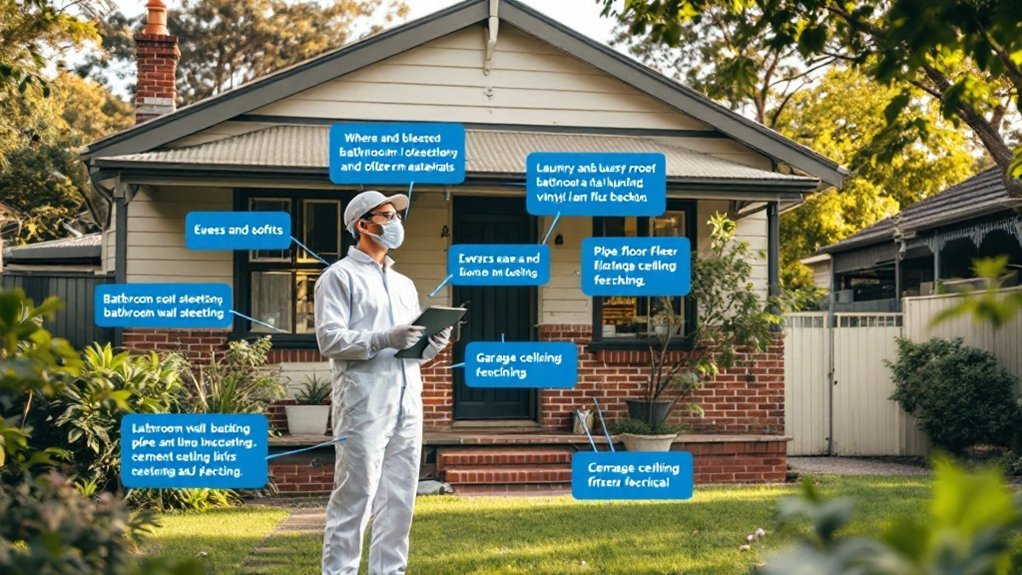
Where Asbestos Is Commonly Found in Older Melbourne Homes
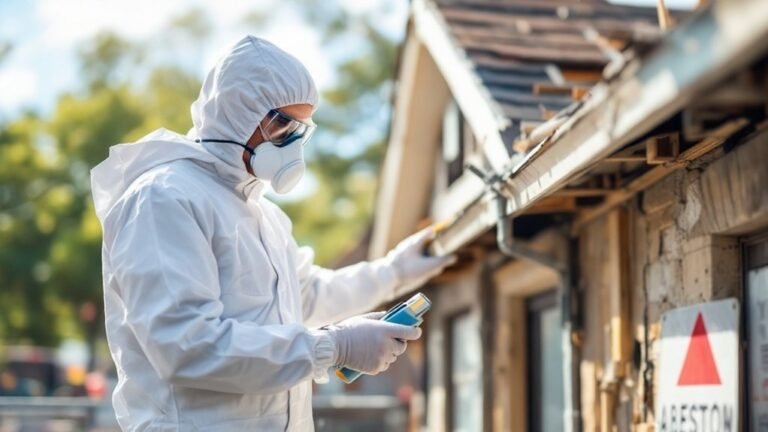
In older Melbourne homes, we treat pre-1990 materials as suspect until NATA-accredited testing proves otherwise. Asbestos commonly appears in corrugated cement roofs, gutters, eaves, garages, sheds, fences, fibro cladding, internal linings, textured ceilings, vinyl tiles, linoleum backing, pipe lagging, duct insulation, hot water components, electrical fittings, and pre-2003 appliances. We avoid drilling, cutting, sanding, scraping, or demolition until licensed assessment and controls are in place. Residents remain clear during sampling work. More detail follows below.
Why Older Melbourne Homes Often Contain Asbestos
In Melbourne, age is the first compliance signal. When we assess a dwelling built or renovated before 1990, we treat asbestos as a credible presence, not a remote possibility. That threshold is conservative because Australia used asbestos widely from the 1940s through the late 1980s, and the full national ban didn’t take effect until December 2003.
Builders selected it for fire resistance, durability, and insulation, so older homes often contain it in textured popcorn ceilings, vinyl floor tiles, pipe insulation, and internal linings.
Our compliance position is simple: age triggers presumption, inspection confirms status, and disturbance controls exposure. We don’t rely on appearance alone, because damaged or worked materials can release Airborne fibers, creating Health risks that require licensed assessment and controlled handling.
Roofing, Gutters, and Asbestos Cement Sheets
Beyond internal linings and insulation, we also treat the roofline of pre-1990 Melbourne homes as a likely asbestos zone.
- Corrugated cement sheets were common on roofs, garages, sheds, and carports from the 1940s to the 1980s because they were strong, fire-resistant, and cheap.
- Asbestos guttering and downpipes may sit in the same roofline system, so we don’t assume only the roof panels are affected.
- Intact bonded asbestos-cement is lower risk than friable material, but cutting, drilling, sanding, or impact can release airborne fibres.
- Weathering, cracks, brittle edges, and rusted fixings increase disturbance risk during repairs, storm work, or demolition.
- We recommend licensed asbestos assessors and removalists for sampling, control plans, wet methods, PPE, waste sealing, compliant disposal, and documentation under Victorian asbestos regulatory requirements.
Fibro Cladding Risks in External and Internal Walls
In Melbourne homes built from the 1940s to the 1980s, we’ll treat fibro sheeting on external cladding and internal wall linings as suspected asbestos until tested.
External wall exposure and internal lining hazards arise when drilling, sanding, cutting, or demolition damages the sheet, releasing respirable asbestos fibres into the air.
Before any renovation, repair, or removal, we’ll arrange licensed asbestos assessment and testing, and use licensed professionals for any confirmed fibro work to meet safety obligations.
External Wall Exposure
When we assess older Melbourne homes, external wall exposure often involves asbestos cement sheeting—commonly called fibro—used from the 1940s to the 1980s for cladding, gables, and weatherproofing.
We treat it as non-friable asbestos cement unless testing proves otherwise. We also verify council records and assume risk in post-war suburbs until test results confirm otherwise.
- We don’t drill, cut, sand, water-blast, or demolish fibro before sampling by a NATA-accredited laboratory.
- We look for cracks, impact damage, delamination, and fibro deterioration around eaves, corners, and fixings.
- We isolate the work area, control dust, and use licensed removalists for damaged sheets.
- We document renovation precautions, permits, and disposal requirements before contractors start.
- We leave intact, well-bonded sheets undisturbed, because risk rises when fibres become airborne.
Internal Lining Hazards
Fibro—short for fibrous cement sheeting—can be hidden behind paint, plaster, or tiles inside older Melbourne homes, especially in wet areas such as bathrooms, laundries, and service walls. In homes built or renovated before 1990, we treat internal linings as suspect until proven otherwise. Intact asbestos cement is generally non-friable, yet drilling, cutting, sanding, or removing sheets can create fibre release, exposing occupants and contaminating rooms.
| Location | Risk trigger | Compliance response |
|---|---|---|
| Bathroom/laundry linings | Tile removal, wall chasing | Stop work; isolate area |
| Service walls | Screws, plumbing cuts | Use licensed trades; safe removal |
We’ll manage damage, dust, and access controls, because sight alone can’t confirm asbestos. We also separate demolition from normal household access and avoid dry handling methods under any circumstances or DIY stripping.
Pre-Renovation Testing Needs
Pre-renovation testing is the control point before any wall work starts, because fibro sheeting in Melbourne homes built from the 1940s to the 1980s commonly contains asbestos and can release airborne fibres if cut, drilled, or sanded.
- We treat pre-1990 external and internal fibro as suspect until licensed professional sampling and NATA laboratory confirmation.
- We plan testing timelines before demolition, framing changes, lining removal, or trades cut, drill, sand, or fix into walls.
- We include cost estimates for sampling, reports, containment, and licensed removal, not just visible repairs.
- We assume asbestos if age, renovation records, or cladding type are uncertain, then stop work and isolate the area.
- We use lab confirmation to set compliant controls, because visual inspection alone can’t identify asbestos cement sheeting.
Popcorn Ceilings and Textured Coating Risks
We should treat textured “popcorn” ceiling coatings in Melbourne homes built from the 1950s to the 1980s as potentially asbestos-containing, and we can’t rule them out in pre-1990 properties because asbestos materials remained in circulation before the 2003 ban.
If we sand, scrape, drill, or demolish these coatings, we can release respirable asbestos fibres that create a serious lung disease risk.
We should only remove or disturb suspect textured ceilings through licensed asbestos professionals, supported by professional assessment and NATA-accredited laboratory testing.
Textured Ceiling Age
A Melbourne home’s textured ceiling age is a key compliance risk marker: popcorn ceilings and similar textured coatings installed from the 1950s to the 1980s were commonly asbestos-containing, and we’d treat any pre-1990 textured ceiling as asbestos until laboratory testing proves otherwise.
For your property, our age identification starts with construction records, renovations, and coating style, but it never replaces a compliant sampling protocol.
- We’d classify pre-1990 textured ceilings as presumed asbestos.
- We’d verify ownership, alteration dates, and prior removal claims.
- We’d avoid visual-only clearance; laboratory analysis is required.
- We’d use licensed assessors for testing, records, and remediation advice.
- We’d document findings before any renovation, sale, or compliance review.
This conservative record supports audits, insurers, and property due diligence.
Disturbance Fibre Release
Once a textured ceiling is presumed asbestos by age, the main risk becomes fibre release during disturbance.
We treat popcorn ceilings and textured coatings from the 1950s to 1980s as potential asbestos materials until testing proves otherwise. In Melbourne homes built before 1990, sanding, scraping, drilling, or demolition can break the fire-resistant binder and create airborne fibres.
Even small DIY repairs, painting preparation, or re-coating work may damage the surface enough to trigger fibre inhalation. Because released asbestos fibres are invisible, visual detection can’t confirm safety or contamination.
We’d consequently avoid disturbing the coating, seal the area from normal use, and arrange sampling by a competent asbestos assessor before renovation work. This keeps the material controlled and prevents hidden exposure during common ceiling works.
Licensed Removal Required
Removing a popcorn ceiling or textured coating in a pre-1990 Melbourne home isn’t a standard renovation task; it’s controlled asbestos work until sampling by a licensed asbestos assessor and NATA-accredited laboratory analysis proves otherwise.
- We isolate and seal the work area with polythene, using negative pressure controls where required.
- We don’t sand, scrape, drill, or demolish the coating before testing, as intact non-friable material becomes friable.
- We use licensed removalists, who follow the asbestos removal control plan, wet methods, PPE, decontamination, and air monitoring; DIY removal is prohibited under Australian safety regulations.
- We document owner compliance through licences, waste transport records, and clearance certificates.
- We guarantee safe disposal at an approved landfill, keeping occupants protected.
We stop until testing confirms no airborne fibre risk.
Vinyl Tiles and Asbestos-Backed Linoleum
Vinyl floor tiles and asbestos-backed linoleum were widely installed in Melbourne homes built from the 1950s to the 1980s, as asbestos improved durability and fire resistance.
We treat these materials as suspect in pre-1990 homes, especially those built or renovated before the mid-1980s.
Asbestos may be present in the tile matrix or in the linoleum backing, so scraping, cutting, sanding, or lifting sheets can release airborne fibres.
Intact vinyl and linoleum are generally non-friable, but disturbance during floor removal changes the risk profile.
Before any renovation, replacement, or access work, we require asbestos testing by a NATA-accredited laboratory and don’t rely on appearance, age, or adhesive condition alone; we confirm it, in writing, before work starts and keep the report with renovation records onsite.
Pipe Lagging, Duct Insulation, and Hot Water Systems
Where pipe lagging, duct insulation, or hot water system components are present in a pre-1990 Melbourne home, we treat them as suspect unless asbestos testing proves otherwise.
- Pipe lagging around hot water, heating, and boiler lines may contain asbestos paper, millboard, or soft insulation.
- Duct insulation in central heating systems can be friable material, so we don’t cut, drill, scrape, or strip it.
- Hot water units from the 1940s to 1980s may include asbestos backing, wraps, or flue-related components.
- Under Melbourne regulations, disturbed asbestos requires licensed assessment, control measures, and compliant disposal.
- If you’re renovating, we recommend stopping work, isolating the area, and engaging a licensed asbestos removal professional.
This protects occupants, tradespeople, and neighbours from fibre exposure during maintenance, upgrades, or plumbing repairs.
Garage, Shed, Fence, and Eaves Asbestos Risks
Beyond internal pipe lagging, duct insulation, and hot water systems, we also treat garages, sheds, fences, eaves, and soffits in pre-1990 Melbourne homes as suspect until NATA-accredited testing proves otherwise.
We don’t rely on visual inspection; drilling, cutting, weathering, or demolition can release airborne fibres, so we require NATA-accredited asbestos testing before renovation and licensed removal for any friable or damaged material.
| Location | Typical risk |
|---|---|
| Garage roof | Corrugated asbestos cement sheets |
| Shed walls | Drilling or demolition hazard |
| Fence panels | Broken, weathered fibro releases fibres |
| Eaves/soffits | Disturbance during painting or repairs |
Before work starts, we isolate the area, avoid disturbance, and engage licensed professionals to sample, remove, bag, label, and dispose of asbestos cement safely. We keep residents clear during sampling, removal, and clearance checks.
Pre-2003 Appliances and Electrical Asbestos Risks
We don’t treat pre-December 2003 appliances or electrical fittings as safe just because they’re built in, concealed, or still working.
- Toasters, slow cookers, and coffee pots may contain heat-resistant boards, gaskets, or wraps.
- Wood stoves, range hoods, and dishwashers can conceal asbestos in seals or insulation.
- Fridges, freezers, washers, and dryers may include asbestos in door gaskets or internal lagging.
- Electrical fuse boxes, outlets, recessed lights, and pre-1990 wiring insulation often used fireproofing.
- asbestos vacuum cleaners and asbestos toasters should be assessed before repair, stripping, or disposal.
We inspect them as suspect materials, not by appearance. If casings are cracked, wiring is disturbed, or components are removed, fibres can be released; licensed assessment controls compliance risk for occupants and tradespeople during servicing or collection.
What to Do Before Renovating an Older Melbourne Home
Before we renovate an older Melbourne home, we treat textured ceilings, wall cladding, vinyl flooring, and other suspect materials in pre-1990 properties as asbestos-containing until a NATA-accredited laboratory test proves otherwise.
We then engage a licensed asbestos assessor to inspect and arrange NATA testing; we don’t sample it ourselves, because disturbance can release respirable fibres.
If intact non-friable material tests positive, we may leave it sealed and undisturbed, recording its location and condition.
If renovation will disturb it, we use a licensed asbestos removalist and follow controls, air monitoring, waste disposal, and clearance requirements.
Before work begins, we secure a professional asbestos report for files, contractors, insurers, and health disclosure.
We assess demographic risk for children, elderly, and immunocompromised residents, because exposure consequences vary.
Frequently Asked Questions
Can I Identify Asbestos Just by Looking at It?
No, we can’t identify asbestos just by looking; visual inspection can only flag suspect materials, including textured coatings. We must treat them as asbestos until a NATA-accredited lab confirms results under applicable regulations and procedures.
Are DIY Asbestos Test Kits Reliable?
We don’t consider DIY asbestos test kits reliable for compliance decisions; sample accuracy depends on collection, lab accreditation, and chain of custody. Kit cost is low, but we’d recommend licensed sampling when risk is uncertain.
What Are the Legal Rules for Asbestos Disposal?
We’d follow legal asbestos disposal rules: double-wrap, label, use licensed contractors, transport to an approved facility, and keep receipts. We’d never put it in household bins, because breaches create serious health, environmental, and Cost implications.
Does Home Insurance Cover Asbestos Removal?
Usually, we can’t rely on home insurance to cover asbestos removal unless contamination results from an insured event. We must check Policy exclusions, Coverage limits, endorsements, and notify insurers before remediation to guarantee compliance documentation.
Can Asbestos Exposure Cause Immediate Symptoms?
Yes, we can experience acute symptoms after heavy exposure, including mucosal irritation, coughing, or dyspnea. But we shouldn’t rely on immediate signs; asbestos-related diseases usually involve delayed onset, requiring exposure assessment, monitoring, and regulated controls.
Final Thoughts
Before we renovate, we’ll treat suspect materials as asbestos until proven otherwise. We’ll stop work, isolate the area, and avoid drilling, cutting, sanding, or disturbing bonded or friable products. We’ll check the property’s age, records, and visible materials, then engage a licensed asbestos assessor or removalist where required. By following Victorian regulations and Safe Work Australia guidance, we’ll protect occupants, neighbours, workers, and the environment while safely keeping our project compliant from beginning to end.