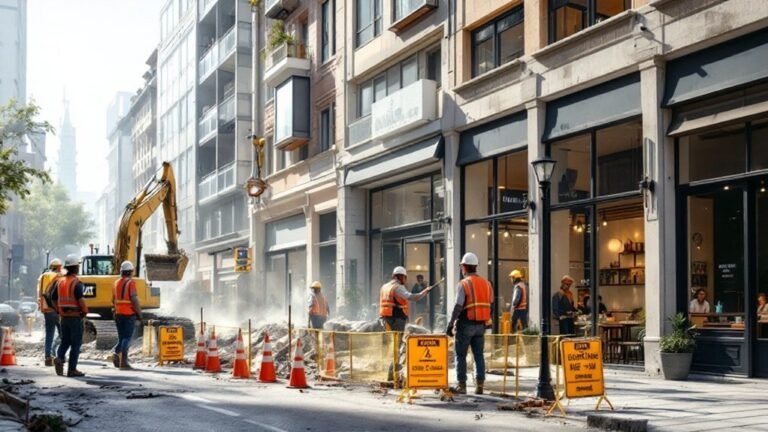

Why Demolition Quotes Vary So Much
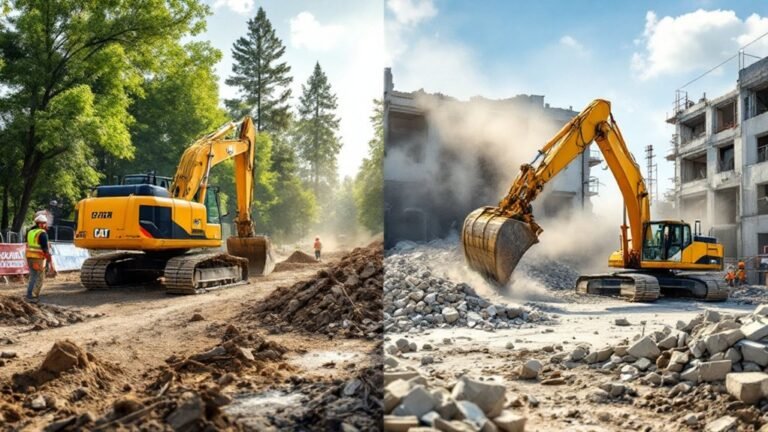
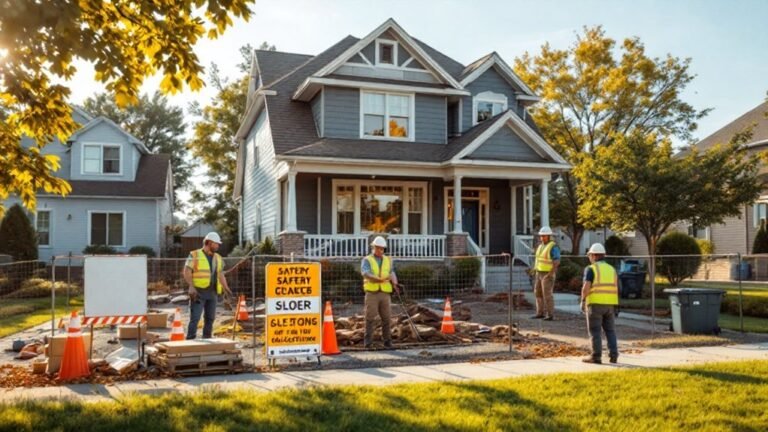
We see demolition quotes vary in Coffs Harbour because your site risk changes the job before the excavator starts. A pre-1985 home may need licensed asbestos removal, while narrow driveways, slopes, live services, or close fences can force hand work and extra protection. Brick, concrete, timber, steel, damage, and waste sorting also shift costs. Permits, access, neighbours, and disposal fees matter. Keep going, and we’ll show exactly what to compare before you choose a contractor.
Why Do Demolition Quotes Vary So Much in Coffs Harbour?
Why do two Coffs Harbour demolition quotes look so different for what seems like the same job? Because we’re pricing more than a shed-shaped blank.
In older Coffs Harbour homes, asbestos is a real cost risk, especially pre-1985 builds, and licensed removal can swing the total quickly.
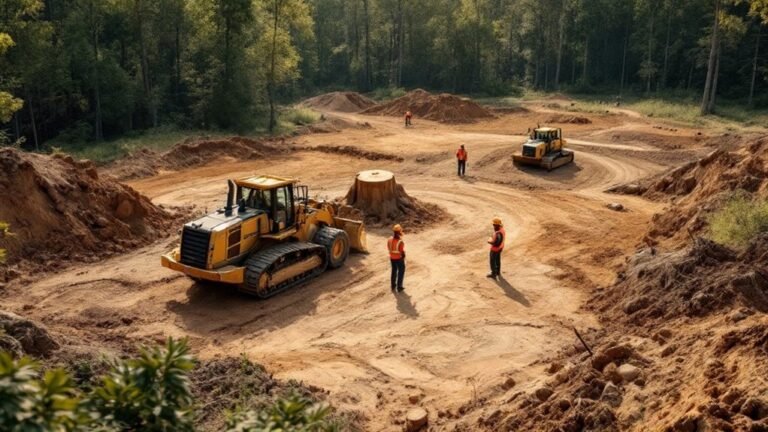
Access matters too: tight driveways, steep slopes, and shared fences can limit machinery, increase labour, and require extra protection.
Construction method and materials also change the plan; brick, timber, concrete, and steel each create different sorting and disposal costs.
Waste fees vary by contractor, particularly for mixed or hazardous material.
Our local climate impacts the site, and seasonal timing can affect wet ground, traffic, and delays, so the cheapest quote may hide the biggest risk on paper.
How Does House Size Change Your Demolition Quote?
Beyond asbestos, access, and disposal risks, we also price the actual footprint and height of the structure.
Structure size matters because more floor area means more labour, longer machine time, and more waste to manage. A 230 m² two-storey house will usually cost more than a 165 m² bungalow, even if both sit on similar blocks. A 2-car garage is also cheaper to remove than a three-bedroom home, but square metres aren’t the whole picture.
Storey count changes the risk and equipment needed. A two-storey brick home costs more than a single-storey brick home with the same floor area. Steep blocks add time, and extra buildings like granny flats, pools, carports, or sheds also increase the quote when they’re included in the site scope.
What Building Condition Issues Raise Demolition Costs?
When a building isn’t structurally sound, we can’t treat it like a standard demolition job. If the frame has shifted, partially collapsed, or lost structural integrity, we usually plan slower manual dismantling around the site, not just faster machine work. That extra labor shows up in the quote.
Brittle, rotted, or fire-damaged materials also raise risk, because they may fail under normal equipment handling. Reinforced concrete and steel frames need larger excavators, jackhammers, and more operator time, adding rental and fuel costs.
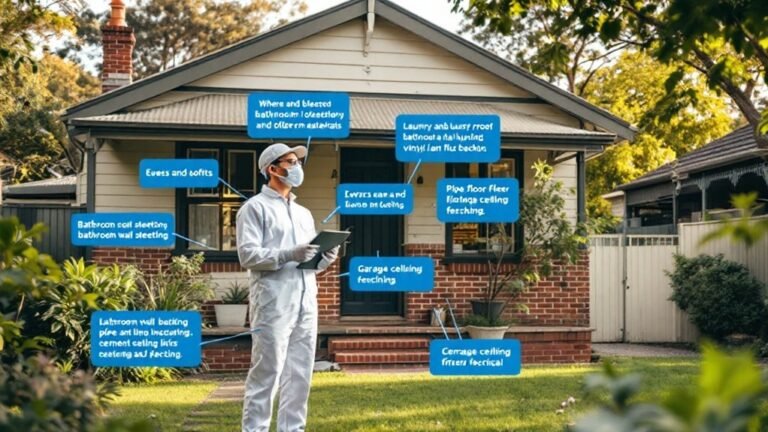
In pre-1985 homes, asbestos in walls, ceilings, eaves, or flooring can require licensed removal and weeks of containment.
Hidden chemical contamination or tainted soil changes disposal rules, especially where historical preservation reviews or EPA-aligned handling apply before any machine touches the property.
How Do Materials and Salvage Affect Your Demolition Quote?
When we assess your site, the material type sets the disposal route and the equipment we’ll need, from timber framing to brick, concrete, or damaged reinforced sections.
If your flooring, bricks, tiles, or other reusable materials have salvage value, you may offset costs through resale or recovery, though hand deconstruction usually costs more than standard mechanical demolition.
We’ll also flag site-specific risks like asbestos in older homes, because licensed removal can quickly change the quote.
Material Type
The materials on your site can swing a demolition quote quickly because concrete, brick, timber, and older hazardous components all change the equipment, labour, disposal, and risk profile we’ll need to price.
A concrete slab, masonry walls, or heavy footings mean excavators, breakers, more fuel, and higher tip fees, while timber framing is faster to cut and cart.
If the property is pre-1985, we’ll assume asbestos may be present until proven otherwise, because licensed removal, air monitoring, and compliant waste handling can add cost.
We also check the building code and constraints so the method doesn’t create exposure or delays.
Recyclable concrete and brick can be crushed for aggregate, which may reduce landfill charges.
These material choices affect your project timeline and risk allowance.
Salvage Value
Beyond material type, salvage value can change a demolition quote because reusable items affect what we remove, how we remove it, and what we pay to dispose of.
Timber flooring, bricks, tiles, and sound framing can lower your net cost through material resale, charity removal, or reduced tip fees.
But we price this by site: access, contamination, weather, and how long deconstruction takes.
Salvage work is often more labour-intensive than mechanical demolition, so a careful pick can cost about double the standard estimate.
If a salvage market is weak, the quote may not drop much.
If a house is valuable enough, free removal or a paid removal offer can be possible, though we’ll still need to allow for risk, delays, and incomplete buyer commitments.
Which Site Access Problems Increase Demolition Quotes?
Access is the quiet cost driver in demolition: narrow drives, shared gates under 3 metres, steep or uneven ground, live services, and tight neighbour boundaries all shape the quote before a wall comes down. We check Site accessibility and clearance requirements early because access issues turn into plant changes, protection, and extra labour.
| Access issue | Cost effect | Why it matters |
|---|---|---|
| Narrow or shared access | Smaller plant, hand work | Longer hours raise labour costs |
| Slopes or uneven ground | Tracked plant, stabilising | Efficiency can drop 10–20% |
| Live services or close neighbours | Coordination, barriers, monitoring | Safety controls add $500–$2,000+ or 15–30% |
Blocked paths mean fences, sheds, or trees must be removed before demolition, adding $1,000–$5,000. We price that risk upfront, so you’re not surprised by access-driven variation.
How Do Asbestos and Other Hazards Affect Demolition Quotes?
We’ve found that asbestos removal requirements can sharply change your demolition quote, especially on pre-1985 homes where licensed abatement, protective gear, careful packaging, and approved disposal are required before structural work can begin.
Hidden contamination risks, such as chemical residues, unstable sections, or tainted soil, can also push us away from standard mechanical demolition and toward slower manual dismantling.
On your specific site, that means more labor, more time, and a higher risk of delays if hazards aren’t identified early.
Asbestos Removal Requirements
When we’re pricing a demolition, asbestos and other hazards can change the quote before the first wall comes down. Homes built before 1985, especially 1960s–1970s properties, often have asbestos in roofing, cladding, or flooring.
Before we can strip or knock down those site-specific areas, we need licensed removal by specialist contractors. They work in protective clothing, use breathing equipment, and package materials carefully to stop fibers escaping. That adds labor time, supervision, and compliance costs to your quote.
Once removed, asbestos must go to EPA-approved disposal facilities, so transportation and tipping fees raise disposal costs. If we miss it early, permits, access, and the demolition schedule can stall.
A pre-demolition hazard check helps us plan the safe sequence, protect workers, and reduce surprise overruns.
Hidden Contamination Risks
A few hidden contaminants can swing a demolition quote before machinery reaches the slab. We’ve seen pre-1985 homes, especially 1960s-1970s roofs, cladding, and floors, carry asbestos requiring licensed removal before structural work. That adds protective gear, careful handling, disposal fees, and schedule risk. We price the site we inspect, not an ideal one, because hidden liabilities drive final cost on paper.
| Hazard | Quote impact |
|---|---|
| Asbestos | High removal and disposal costs |
| Fuel-stained earth | Testing, treatment, or off-site disposal |
| Contaminated soil | Expanded scope and longer timelines |
| hazardous chemicals | Specialist handling and safety controls |
When our team identifies these risks early, we can coordinate removal, protect workers, and avoid surprise stoppages. Missed hazards can make a quote look cheap, then turn the site prohibitively expensive for you.
Which Demolition Method Lowers Your Quote Most?
Several demolition methods can lower your quote, but mechanical demolition usually saves the most on a typical site because it’s faster, uses heavy machinery, and carries less labour risk than hand demolition or full deconstruction.
On tight sites, we check access, nearby structures, and services before choosing the method, because a cheaper approach can become expensive if it creates safety or access problems.
- Mechanical demolition cuts labor costs and gives the smallest timeline impact when excavators can work safely.
- A mixed method can help when we salvage timber, bricks, or concrete before machines finish the rest.
- Hand demolition or deconstruction often costs about double, as crews spend more hours dismantling carefully.
We choose it when the site layout lets machines work without unnecessary hazards.
What Permit and Waste Disposal Costs Should You Expect?
Usually, we’ll treat the demolition permit and waste disposal as site-specific costs, because council rules, access, and debris type can change the final risk and labour exposure.
In Australia, standard demolition permits are around $350, included in the contractor’s total quote. Approval takes 7 to 14 days, depending on your council. The application requires three copies of site plans showing exact demolition areas and materials, plus a facade photo. Permit fees can increase if your site needs extra checks.
Waste disposal often varies by site. Concrete, bricks, timber, and steel may need separate recycling or disposal, while mixed or hazardous debris attracts EPA-aligned fees. These waste sorting costs add labour, truck runs, and dump charges. Tight access or contaminated materials can raise final costs.
How Can You Compare Demolition Quotes Fairly?
Once we’ve pinned down permit and waste costs, the next step is to compare demolition quotes on the same site scope, not just the bottom line. We should ask at least three licensed contractors for an itemised Quote template covering permits, labour, equipment, asbestos removal, and waste disposal fees, so a $350 permit line doesn’t get hidden inside a cheaper total.
- Check the same scope: utility disconnection, post-demolition grading, and debris removal to landfill or recycling centres.
- Adjust for site risk: pre-1985 asbestos, brick mass, access constraints, and neighbours can lift costs fast.
- Run a timeline comparison: mechanical demolition may suit a 165 sq m timber bungalow, while selective hand deconstruction on a 230 sq m brick house can cost about twice as much.
Frequently Asked Questions
How Long Is My Demolition Quote Valid?
Your demolition quote’s usually valid for 30 days, but we’ll confirm its quote expiration date on the estimate. Since site conditions, permits, debris, and disposal costs can change, our price guarantee protects your budget overall.
Can a Demolition Quote Change After Approval?
Yes, it can change after approval if site conditions, permits, or waste costs shift. We’d document scope changes, confirm hidden fees, and compare revised pricing against your site risks before you accept added demolition costs.
Do I Need to Be Home During Demolition?
No, you don’t usually need to be home during demolition, but we’ll need access and quick decisions. We’ll confirm Contractor supervision, Safety protocol, utilities, debris routes and site risks to avoid delays, damage, avoidable costs.
Will Demolition Affect My Home Insurance Premiums?
Yes, demolition can affect premiums. We’ll review your site, scope, debris, and liability risks before work, because insurers may add charges, require endorsements, raise deductibles, or deny claims through a policy exclusion or coverage gap.
Can Demolition Be Scheduled Around Holidays or Events?
Yes, we can schedule demolition around holidays or events, but we’ll review site-specific access, neighbors, disposal routes, and council rules; holiday surcharges and event permit delays can raise costs, so we’ll plan buffers and timing.
Final Thoughts
When we compare demolition quotes in Coffs Harbour, we’re comparing scope, not just price. We’ll check the house size, access, asbestos, services, disposal, permits, salvage and method. A cheaper quote can become costly if risks are missed or waste isn’t priced properly. We’ll ask each contractor to price the same job, on the same site, with the same assumptions, so we’re choosing a safe, legal total cost, not a risky bargain for Coffs Harbour sites.